
The Concept of Luck in Gambling
Luck plays a pivotal role in the realm of gambling, often viewed as the unpredictable force that can dramatically alter the outcomes of games. For many players, the excitement of a game is deeply intertwined with the notion of chance; the belief that a single roll of the dice or a spin of the wheel could lead to a significant jackpot. This dichotomy is especially prominent in games that rely heavily on luck, such as slots or roulette, where outcomes are purely random, unlike skill-based games like poker that involve strategic decision-making. In these scenarios, players often find themselves exploring options like ontario casino fast withdrawal caught between the thrill of chance and the desire for control over their outcomes.
The concept of luck in gambling often compels players to develop personal rituals or superstitions, as they seek to influence their fortunes in an otherwise unpredictable environment. Gamblers may carry lucky charms, adopt specific betting patterns, or even choose particular times to place their bets, all driven by a desire to gain a psychological edge. This emotional investment adds a layer of complexity to the gambling experience, as players frequently attribute their wins to good luck while blaming losses on bad luck, creating a narrative that supports their beliefs. Such behaviors illustrate a fundamental aspect of human psychology, where individuals search for meaning in random events.
Despite the allure of luck, it is crucial to understand its inherent randomness. While lucky streaks can provide short-term wins, the laws of probability ultimately govern outcomes in the long run. This awareness is vital for gamblers, as it highlights the need for a balanced approach where luck is recognized as just one factor among many that contribute to success in gambling. By understanding that luck is unpredictable, players can better navigate their gambling experiences with a realistic perspective. In the grand scheme of gambling, recognizing the role of luck can help mitigate unrealistic expectations and foster a more enjoyable experience.
The Role of Skill and Strategy
Although luck is a significant factor in gambling, it is not the only element that determines success. Many games, particularly those that require a degree of skill and strategy, illustrate how players can enhance their chances of winning through informed decision-making. In poker, for example, players must analyze their hand, consider the odds, and read their opponents to formulate effective strategies. This interplay between luck and skill underscores the importance of honing one’s abilities in games that allow for strategic play, where a well-timed bluff or a calculated risk can lead to substantial rewards.
By investing time in understanding the rules and applying various strategies, players can significantly improve their odds. Take blackjack, for instance; knowing when to hit or stand based on the dealer’s upcard can make a considerable difference in outcomes. Such strategic thinking emphasizes that while luck may occasionally grant a favorable outcome, it is the consistent application of skill and knowledge that ultimately leads to long-term success in gambling. Furthermore, players who engage in practice and study can turn the tides in their favor, thereby reducing the amount of reliance on luck alone.

The relationship between luck and skill also extends to sports betting, where bettors analyze statistics, team performance, and historical data to place informed wagers. While the outcome of a game may be influenced by chance, a well-researched bet can lead to more favorable results over time compared to random betting. Ultimately, a thorough understanding of the games and an ability to apply strategies can help diminish the randomness of luck, empowering players to make more informed decisions that enhance their success. This synergy of skill and strategy further highlights the importance of preparation and diligence in the gambling landscape.
The Psychology of Gambling and Luck
The psychological aspect of gambling is tightly woven with the concept of luck, as emotions play a substantial role in how players perceive their experiences. Gamblers often ride an emotional roller coaster—experiencing joy during winning streaks and frustration during losses. This emotional variance can distort a player’s view of luck, as they tend to classify wins as “good luck” while labeling losses as “bad luck.” Such cognitive biases can lead to an inflated perception of luck’s influence on their success, often overshadowing the skills and strategies that contribute to their outcomes.
Additionally, the “gambler’s fallacy” is a well-known psychological phenomenon that illustrates how players can incorrectly assume that past outcomes will influence future results. For instance, a player may believe that after a string of losses, a win is “due” to occur. This flawed reasoning can adversely impact betting strategies and lead to poor decision-making, highlighting how psychological perceptions of luck can cloud judgment in gambling scenarios. Understanding these mental traps can help players develop a more rational approach to their gambling activities.
To cultivate a healthier gambling mindset, it is essential for players to educate themselves about the psychological factors at play. By recognizing how emotions and perceptions shape their views on luck, gamblers can work towards separating feelings from actions. Understanding that luck is merely one aspect of gambling can help players manage their expectations and approach games with a more rational, strategic mindset, ultimately leading to better decision-making. Emphasizing mental discipline and emotional control can significantly enhance a player’s gambling experience.
The Impact of Games and Odds on Luck
The design of gambling games and their associated odds significantly influence how luck is perceived and its overall impact on success. Games of chance, such as lotteries or slot machines, are structured with specific odds that dictate a player’s chances of winning. These odds are typically designed to ensure that the house retains an edge, meaning that while luck may occasionally produce winners, it is not a dependable strategy for consistent success over time. Players must recognize that the odds are often stacked against them in these types of games.
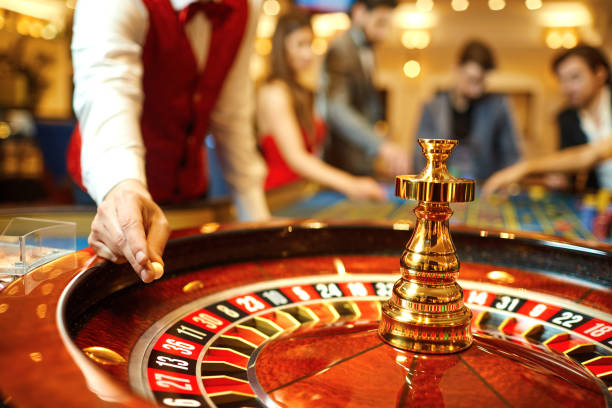
Conversely, games like poker and blackjack allow for a level of engagement that empowers players to use skillful strategies to affect outcomes. In these games, players can familiarize themselves with the odds tied to their decisions, which can enhance their likelihood of success. A comprehensive understanding of these odds and how they relate to luck can assist players in managing their expectations and guiding their approach to gambling with a strategic mindset. Knowledge of the house edge, for instance, is crucial for understanding the long-term implications of luck in these situations.
Another vital consideration is the house edge inherent in various games, which serves as a reminder that luck may provide momentary wins, but the mathematical probabilities favor the casino in the long haul. Gamblers who grasp the odds and acknowledge the limitations of luck are more inclined to engage in responsible gambling practices, avoiding the traps of chasing losses based on an overreliance on luck alone. Recognizing the significance of odds helps players make more informed decisions and adopt a more realistic outlook on their gambling endeavors. This understanding can lead to more sustainable gambling habits and a greater appreciation for the nature of chance.
The Conclusion: Balancing Luck and Strategy
In conclusion, while luck plays an undeniable role in determining outcomes in gambling, it is critical to understand that it is only one piece of a much larger puzzle. Successful gamblers appreciate the importance of blending luck with skill, strategic thinking, and a comprehensive understanding of the games they participate in. By taking this multifaceted approach, players can enhance their chances of success while also managing the risks associated with gambling. This balance is essential for cultivating a sustainable and enjoyable gambling experience.
Gambling should be viewed as a form of entertainment, where the thrill comes not only from the potential for winning but also from the enjoyment of the games themselves. By adopting a balanced perspective that acknowledges the role of luck while prioritizing skill and strategy, players can enrich their overall experience and enjoyment. Ultimately, responsible gambling involves recognizing that outcomes are influenced by a variety of factors, not solely dictated by luck. This awareness can lead to a more fulfilling engagement with the gambling world.
For those looking to delve deeper into the gambling world, this website offers a wealth of information, strategies, and insights designed to enhance understanding and improve decision-making. By providing resources on various games, odds, and psychological aspects, it serves as a valuable tool for both new and experienced gamblers alike. Engaging with these resources can help players maximize their experiences, ensuring they maintain a healthy perspective on the interplay between luck and skill in their gambling journeys. This comprehensive approach to learning about gambling can empower players to navigate their experiences with confidence and informed choices.